Book Appointment Now

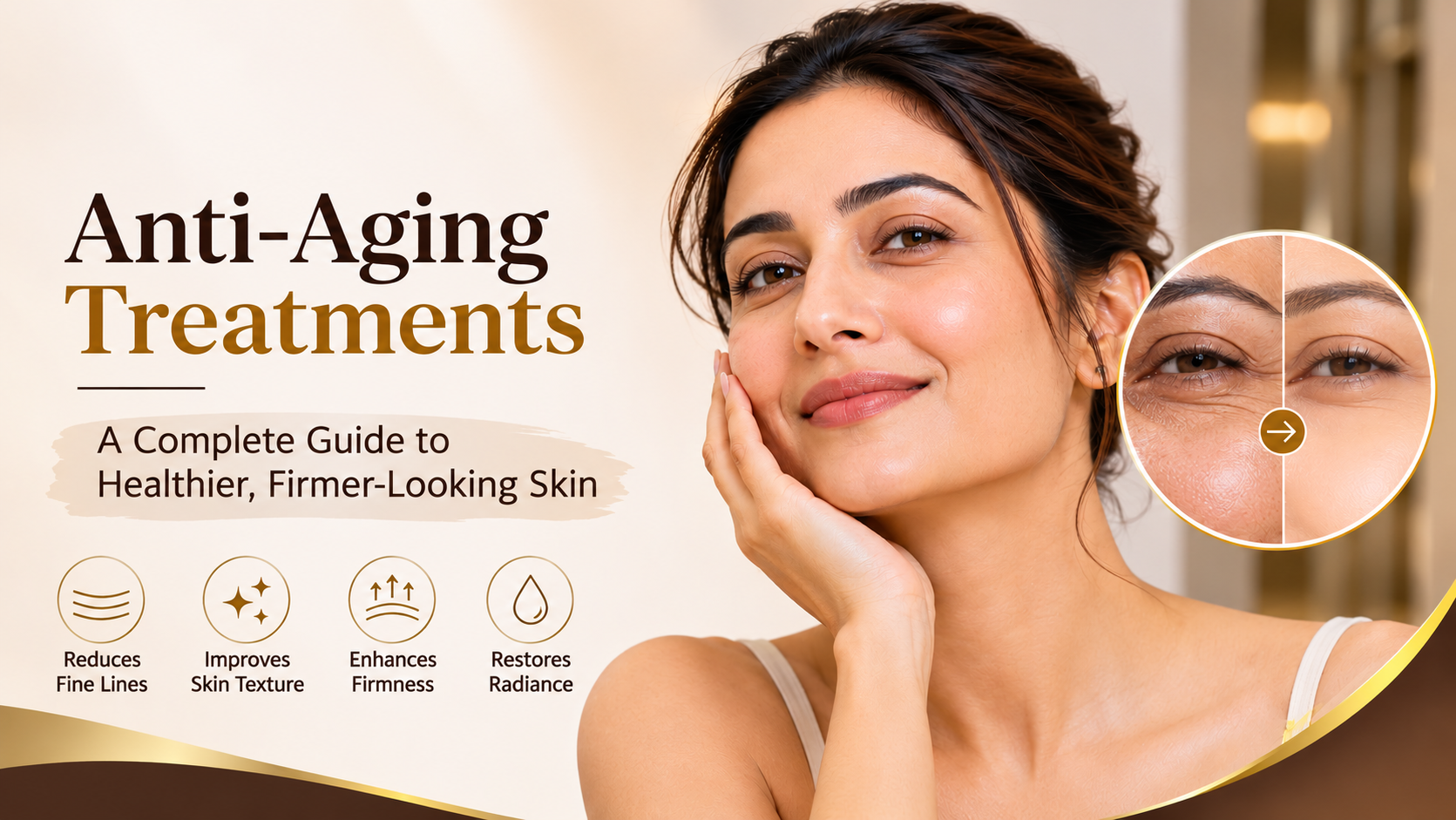
Anti-Aging Treatments: A Complete Guide to Healthier, Firmer-Looking Skin
Skin ageing is a natural process, but changes such as fine lines, wrinkles, uneven skin tone, dryness and loss of firmness can make the skin appear older than you feel. Sun exposure, lifestyle habits, environmental factors and genetics can all influence how these changes develop.
The good news is that modern dermatology offers several ways to improve visible signs of ageing and support healthier-looking skin. From a dermatologist-recommended skincare routine to professional skin rejuvenation procedures, the right approach depends on your skin condition, concerns and treatment goals.
If you are considering anti-aging treatments in Thane, understanding the available options can help you make an informed decision.
At Skin Pixel Clinic, Dr. Ketki Bhoite focuses on personalised, dermatologist-guided care designed to improve skin quality while maintaining a natural appearance. This guide explains the common signs of skin ageing, available treatment approaches, their benefits, suitability, expected results and essential aftercare.
What Are Anti-Aging Treatments?
Anti-aging treatments are dermatological procedures and skincare approaches designed to improve visible signs of skin ageing. They may help address fine lines, wrinkles, uneven pigmentation, rough texture, dryness and reduced skin firmness.
The aim is not to change your natural facial features or stop the ageing process. Instead, treatment focuses on supporting skin health, improving texture and helping the skin look refreshed.
Depending on individual concerns, a dermatologist may recommend:
- A personalised skincare routine
- Chemical peel treatments
- Laser-based skin rejuvenation
- Microneedling
- Skin-tightening procedures
- Hydrating and skin-rejuvenation treatments
Not every treatment is suitable for everyone. A professional skin assessment helps determine which approach is appropriate.
What Causes Skin Ageing?
Skin ageing is influenced by a combination of internal and external factors. Understanding these causes helps explain why some people develop fine lines or pigmentation earlier than others.
1. Natural Collagen Loss
Collagen is an important structural protein that helps maintain the skin’s firmness and support. As we age, collagen production gradually changes, and the skin may begin to lose some of its elasticity.
This can contribute to fine lines, wrinkles and reduced firmness.
2. Sun Exposure
Repeated exposure to ultraviolet radiation is one of the major contributors to premature skin ageing. It can contribute to:
- Fine lines and wrinkles
- Uneven skin tone
- Dark spots and pigmentation
- Rough skin texture
- Loss of elasticity
Consistent sun protection is therefore an important part of any long-term skin-care plan.
3. Lifestyle Habits
Certain lifestyle factors can affect overall skin health. Smoking, inadequate sleep, chronic stress, poor nutrition and insufficient hydration may contribute to a dull or tired appearance.
Healthy habits cannot stop natural ageing, but they can support the skin’s overall condition.
4. Environmental Pollution
Everyday exposure to environmental pollutants can contribute to oxidative stress and may affect the skin barrier. A gentle cleansing routine and suitable moisturiser can help maintain skin comfort and cleanliness.
5. Genetics and Hormonal Changes
Genetics influence skin structure, texture and the way visible ageing develops. Hormonal changes can also affect hydration, elasticity and skin thickness at different stages of life.
Common Signs That Your Skin May Benefit from Anti-Ageing Care
Skin ageing does not look the same for everyone. Some people notice fine lines first, while others are more concerned about pigmentation or loss of firmness.
Common concerns include:
Fine Lines and Wrinkles
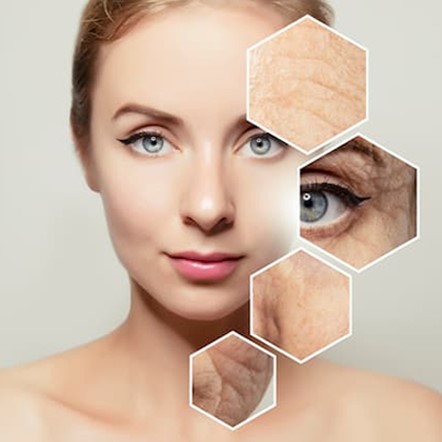
Fine lines may initially appear around the eyes, forehead and mouth. Over time, some lines can become more noticeable due to repeated facial movement, sun exposure and changes in skin structure.
Loss of Skin Firmness
Skin may gradually become less elastic, creating a softer or less firm appearance around the cheeks, jawline and neck.
Uneven Skin Tone and Age Spots
Sun exposure and changes in pigmentation can result in dark spots and uneven complexion. These concerns may require a different treatment approach from wrinkles or skin laxity.
Dullness and Rough Texture
A slower surface renewal process, dryness and accumulated dead skin cells can make the complexion appear less radiant.
Dryness and Reduced Hydration
Ageing skin may become drier or more sensitive. Supporting the skin barrier with appropriate moisturising products is an important part of daily care.
Best Anti-Aging Treatments for Different Skin Concerns
There is no single procedure that addresses every sign of ageing. A suitable treatment plan depends on whether your primary concern is fine lines, pigmentation, texture, dryness or reduced firmness.
Here are some commonly used dermatological approaches.
1. Chemical Peel Treatments
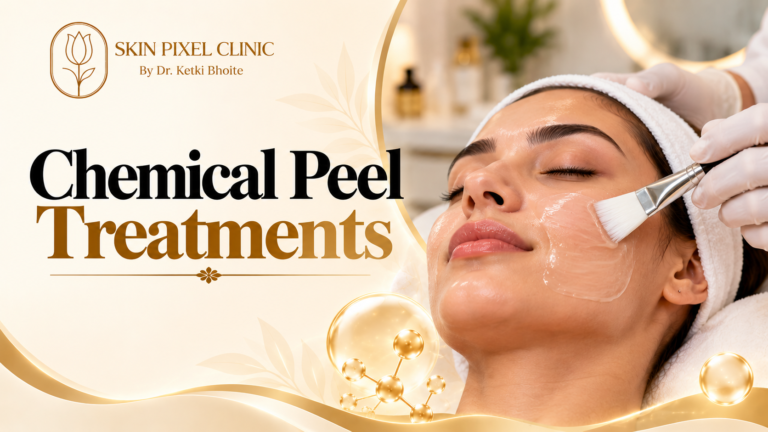
Chemical peels use carefully selected exfoliating solutions to remove dead skin cells from the surface and encourage skin renewal.
Depending on the formulation and depth, a peel may help improve:
- Uneven skin tone
- Mild pigmentation
- Rough texture
- Dull-looking skin
- Certain superficial fine lines
The type and strength of the peel should be selected according to your skin condition and sensitivity.
A dermatologist may recommend a series of treatments rather than expecting a complete change after one session.
Explore Chemical Peel Treatments at Skin Pixel Clinic to understand this treatment approach.
2. Laser Skin Rejuvenation
Laser treatments use controlled light or energy to address selected skin concerns. Depending on the technology used, they may help improve skin texture, pigmentation and certain visible signs of photoageing.
A dermatologist assesses the skin before selecting a suitable laser approach. Skin tone, pigmentation history, sensitivity and the specific concern being treated all matter.
Potential benefits may include:
- Improvement in selected pigmentation concerns
- Smoother-looking skin texture
- Support for collagen remodelling with suitable technologies
- More even-looking complexion
The number of sessions and recovery time depend on the device, treatment settings and individual response.
Learn more about Laser Treatments at Skin Pixel Clinic.
3. Microneedling
Microneedling is a procedure in which fine sterile needles create controlled micro-injuries in the skin. The natural healing response may stimulate collagen production and support improvements in skin texture.
Depending on the patient’s concerns, microneedling may be considered for:
- Uneven skin texture
- Selected acne scars
- Fine lines
- Enlarged-looking pores
- Overall skin quality
Several sessions may be recommended, with suitable intervals between them. Temporary redness, sensitivity and mild swelling can occur.
It is important that the procedure is performed using appropriate equipment and professional hygiene standards.
4. HIFU Skin Tightening
High-Intensity Focused Ultrasound, commonly known as HIFU, uses focused ultrasound energy to target deeper supporting layers of tissue.
It may be considered for people concerned about mild skin laxity and a less defined facial contour.
Possible treatment goals include:
- Improving the appearance of mild sagging
- Supporting a firmer-looking jawline
- Improving the appearance of selected facial areas
- Gradual improvement in skin firmness
Results develop progressively rather than appearing immediately. Some people may notice changes over the following two to three months as the skin responds to treatment.
HIFU is not a substitute for surgery and may not be appropriate for significant skin laxity. A dermatologist should assess suitability and explain realistic expectations.
5. MediFacial and Skin Rejuvenation Treatments
A MediFacial is a professionally selected skin treatment designed around individual skin needs. Depending on the procedure and products used, it may focus on cleansing, exfoliation, hydration and improving the appearance of dull or tired skin.
It can be considered when the primary concerns include:
- Dehydrated skin
- Dull complexion
- Rough surface texture
- Mild congestion
- Lack of radiance
A MediFacial may complement a broader skin-care plan, but it should not be presented as a replacement for treatments specifically intended to address deeper wrinkles or significant skin laxity.
Read more about MediFacial Treatment at Skin Pixel Clinic.
6. Dermatologist-Recommended Anti-Ageing Skincare
Daily skincare plays an important role in maintaining results and reducing further environmental damage.
A dermatologist may recommend products containing ingredients such as:
Retinoids and retinol: Vitamin A derivatives can support skin-cell renewal and help improve the appearance of fine lines and uneven texture. They should be introduced gradually because irritation is possible.
Vitamin C: An antioxidant ingredient that may help improve the appearance of uneven tone and support the skin’s defence against environmental stress.
Niacinamide: May help support the skin barrier and improve the appearance of uneven tone.
Hyaluronic acid: Helps attract and retain water, making the skin appear more hydrated and temporarily plumper.
Moisturisers: Help reduce water loss and maintain the skin barrier.
Broad-spectrum sunscreen: Helps protect against ultraviolet radiation, an important contributor to premature skin ageing.
The right products depend on your skin type, sensitivity and existing skin conditions. Avoid introducing several active ingredients at once without guidance.
How to Choose the Right Anti-Aging Treatment
Choosing a procedure simply because it is popular may not give you the results you expect. The best approach starts by identifying the concern you want to improve.
| Your main concern | Possible treatment approach |
| Dullness and rough texture | Suitable exfoliation or MediFacial |
| Mild pigmentation and uneven tone | Selected chemical peels or laser treatments |
| Fine lines and texture concerns | Skincare, microneedling or selected rejuvenation procedures |
| Mild skin laxity | Assessment for HIFU or other tightening approaches |
| Dryness and dehydration | Barrier-supporting skincare and hydration-focused treatments |
| Multiple skin concerns | A personalised combination plan |
This table is a general guide, not a treatment prescription. A dermatologist should assess the skin before recommending a procedure.
Are Anti-Aging Treatments Suitable for Indian Skin?
Yes, many dermatological treatments can be used for Indian skin, but treatment selection and settings require care.
Indian skin tones can be more prone to post-inflammatory hyperpigmentation, which means irritation or inflammation may leave darker marks. This risk is particularly relevant when selecting peels and laser procedures.
A dermatologist may consider:
- Your natural skin tone
- Previous pigmentation concerns
- History of sensitivity or allergies
- Existing skin conditions
- Recent sun exposure
- Current skincare products and medication
- Your recovery and downtime preferences
A cautious, personalised approach can help reduce avoidable irritation and improve treatment planning.
When Should You Start Anti-Ageing Treatments?
There is no universal age at which everyone should begin professional anti-ageing procedures.
Preventive skincare can start early. Daily sun protection, moisturising and healthy lifestyle habits are useful at almost any adult age.
Professional treatment may be considered when specific concerns begin to appear, such as fine lines, uneven pigmentation, rough texture or reduced firmness.
For some people, a simple skincare routine may be sufficient. Others may benefit from a dermatologist-guided procedure.
The decision should be based on your skin’s condition rather than age alone.
What to Expect During an Anti-Ageing Consultation
A consultation helps establish which treatments are appropriate and what results are realistically achievable.
At Skin Pixel Clinic, the assessment process may involve:
- Understanding your concerns: Discuss the changes you have noticed and what you would like to improve.
- Evaluating your skin: Assess texture, hydration, pigmentation, fine lines and firmness.
- Reviewing your history: Discuss sensitivities, previous procedures, medications and skincare products.
- Selecting suitable options: Identify treatments that match your skin condition and goals.
- Explaining the treatment plan: Understand the expected sessions, recovery, possible side effects and maintenance.
A good treatment plan should be practical, transparent and tailored to the individual.
How Many Sessions Are Needed for Anti-Aging Treatments?
The number of sessions varies according to the treatment, the concern being addressed and the individual’s response.
For example:
- Skincare products generally require consistent use over several weeks or months.
- Chemical peels may be planned as a series, depending on their depth and formulation.
- Laser treatments may require multiple sessions.
- Microneedling is commonly performed as a course of treatments.
- HIFU results develop gradually, and repeat treatment timing depends on clinical assessment.
There is no guaranteed session count or identical result for every patient. Your dermatologist should explain the expected timeline before treatment begins.
Aftercare Tips for Healthier-Looking Skin
Aftercare is important because some procedures temporarily make the skin more sensitive.
Follow the specific instructions provided by your treating dermatologist. General guidance may include:
1. Apply Sunscreen Daily
Use a broad-spectrum sunscreen with SPF 30 or higher, as advised by your dermatologist. Reapply when needed, especially during prolonged outdoor exposure.
2. Keep Your Skincare Routine Gentle
Use a mild cleanser and a suitable moisturiser. Avoid unnecessary exfoliation while your skin is recovering.
3. Avoid Picking or Scrubbing
If you experience dryness or peeling after a procedure, allow the skin to recover naturally. Picking at the skin may increase irritation and pigmentation risk.
4. Follow Instructions About Active Ingredients
Your dermatologist may ask you to pause retinoids, exfoliating acids or other active products for a specific period.
5. Attend Follow-Up Appointments
Follow-up visits help assess your response and determine whether any changes to the treatment plan are needed.
Daily Habits That Support Healthy Ageing
Professional procedures are only one part of long-term skin care. Everyday habits also matter.
- Protect your skin from excessive sun exposure.
- Use a suitable moisturiser consistently.
- Eat a balanced diet with a variety of nutrient-rich foods.
- Maintain regular sleep habits.
- Avoid smoking.
- Stay physically active.
- Manage stress where possible.
- Follow a skincare routine that suits your skin.
These habits support general health and skin maintenance, although they cannot completely prevent natural ageing.
Why Choose Skin Pixel Clinic for Anti-Aging Treatments in Thane?
Selecting the right clinic is an important part of your treatment journey. Anti-ageing procedures should be recommended after understanding your skin condition, medical history and expectations.
At Skin Pixel Clinic in Thane, Dr. Ketki Bhoite provides personalised dermatological care with an emphasis on skin health, suitable treatment selection and natural-looking outcomes.
The focus is on:
- Individual skin assessment
- Dermatologist-guided treatment planning
- Attention to skin type and sensitivity
- Clear discussion of expected results and recovery
- Practical skincare and maintenance guidance
Whether your concern is fine lines, pigmentation, dullness or reduced skin firmness, a consultation can help you understand which options may be appropriate.
Frequently Asked Questions About Anti-Aging Treatments
1. Which anti-aging treatment is best for the face?
There is no single best treatment for everyone. The right option depends on whether you are concerned about fine lines, pigmentation, dullness, texture or skin laxity. A dermatologist can recommend a suitable approach after examining your skin.
2. At what age should I start anti-aging treatments?
Preventive skincare, especially sunscreen and moisturising, can begin early in adulthood. Professional procedures are generally considered when specific skin concerns develop. Age alone should not determine treatment selection.
3. Can anti-aging treatments remove wrinkles completely?
Treatments may soften the appearance of certain wrinkles and improve skin quality, but complete removal cannot be guaranteed. Results depend on the type and depth of wrinkles and the selected treatment.
4. Are anti-aging treatments safe for Indian skin?
Many treatments can be suitable for Indian skin when selected carefully. However, pigmentation risk, sensitivity and skin tone must be considered, particularly before peels and laser procedures.
5. How long do anti-aging treatment results last?
Results vary by treatment and individual factors. Some improvements require ongoing skincare and sun protection, while procedural results may need maintenance. Your dermatologist can explain the expected duration for your specific plan.
6. Do anti-aging treatments require downtime?
Some treatments have little downtime, while others may cause temporary redness, swelling, sensitivity or peeling. Recovery depends on the procedure and its intensity.
7. Can I combine different anti-aging treatments?
A combination plan may be appropriate for people with multiple concerns. However, treatments should be scheduled carefully to allow the skin to recover. Your dermatologist should decide which combinations are suitable.
8. Can skincare products improve fine lines?
Some ingredients, particularly retinoids, may improve the appearance of fine lines with consistent use. Moisturisers can also make fine lines appear less noticeable by improving hydration. Results are gradual and vary between individuals.
9. Is HIFU suitable for everyone?
No. HIFU may be considered for selected people with mild skin laxity, but it is not appropriate for every skin concern or degree of sagging. A professional assessment is needed before treatment.
10. How can I maintain my results after treatment?
Follow your prescribed skincare routine, use sunscreen consistently, avoid unnecessary irritation and attend recommended follow-ups. Healthy lifestyle habits can also support long-term skin maintenance.
Begin Your Skin Rejuvenation Journey at Skin Pixel Clinic
Healthy-looking skin is not about changing who you are. It is about understanding your skin, addressing your concerns and choosing treatments that support your natural appearance.
If you are exploring anti-aging treatments in Thane, consult a dermatologist to understand the options that may suit your skin type and goals.
At Skin Pixel Clinic, Dr. Ketki Bhoite offers personalised guidance to help you make informed decisions about your skin.
Book a consultation: Contact Skin Pixel Clinic
You can also explore the clinic’s Anti-Aging Treatments service page to learn more about available treatment approaches