
Book Appointment Now

Chemical Peels
Reveal Healthier, Brighter Skin

0
Patients Treated
Assistant Professor
Kem Hospital
Dermatology
Expertise
0
Years of Experience
Dull skin, acne marks, pigmentation, and uneven texture can affect your confidence. At Skin Pixel Clinic, Dr. Ketki Bhoite offers customised chemical peel treatments that gently renew the skin, improve texture, and restore a naturally healthy glow using safe, dermatologist-supervised techniques.
What is Medical Dermatology?
A chemical peel is a dermatologist-performed procedure that uses specially formulated solutions to gently exfoliate the outer layers of the skin. This stimulates new skin cell growth, improves skin texture, and helps reduce concerns such as acne marks (Post-Inflammatory Hyperpigmentation), sun damage (Photoaging), melasma, pigmentation, and fine lines.
Did you know?
Your skin naturally renews itself every 28–40 days, but this process slows with age, sun exposure, and pollution. Chemical peels help accelerate healthy skin renewal for smoother, brighter skin.
Why Choose Chemical Peels?
Every peel is selected according to your skin type, concerns, and lifestyle to deliver noticeable improvements without unnecessary downtime.

Improves skin tone and texture
Reduces acne marks and pigmentation
Enhances skin radiance and smoothness
Safe, customized treatments for different skin types
Services
Conditions We Treat

Glycolic Acid Peel
A commonly used superficial peel derived from alpha hydroxy acids (AHA) that exfoliates the skin gently.
When it is recommended:
For acne, dull skin, fine lines, and uneven texture.
What to expect:
Minimal downtime with gradual improvement in skin brightness.
Salicylic Acid Peel
A beta hydroxy acid (BHA) peel that penetrates oil glands and unclogs pores.
When it is recommended:
For acne-prone and oily skin, blackheads, and whiteheads.
What to expect:
Reduced oiliness and acne with mild, temporary peeling.


Lactic Acid Peel
A gentle peel suitable for sensitive skin that improves hydration and texture.
When it is recommended:
For dry, sensitive, or dull skin.
What to expect:
Smoother and more hydrated skin with minimal irritation.
Mandelic Acid Peel
A mild peel with antibacterial properties and larger molecules, making it safer for sensitive and darker skin tones.
When it is recommended:
For acne, pigmentation, and sensitive skin.
What to expect:
Even skin tone improvement with low risk of irritation.


TCA Peel (Trichloroacetic Acid)
A medium-depth peel used for more pronounced skin concerns.
When it is recommended:
For acne scars, pigmentation, and signs of photoaging.
What to expect:
Visible peeling and downtime, with significant skin renewal over time.
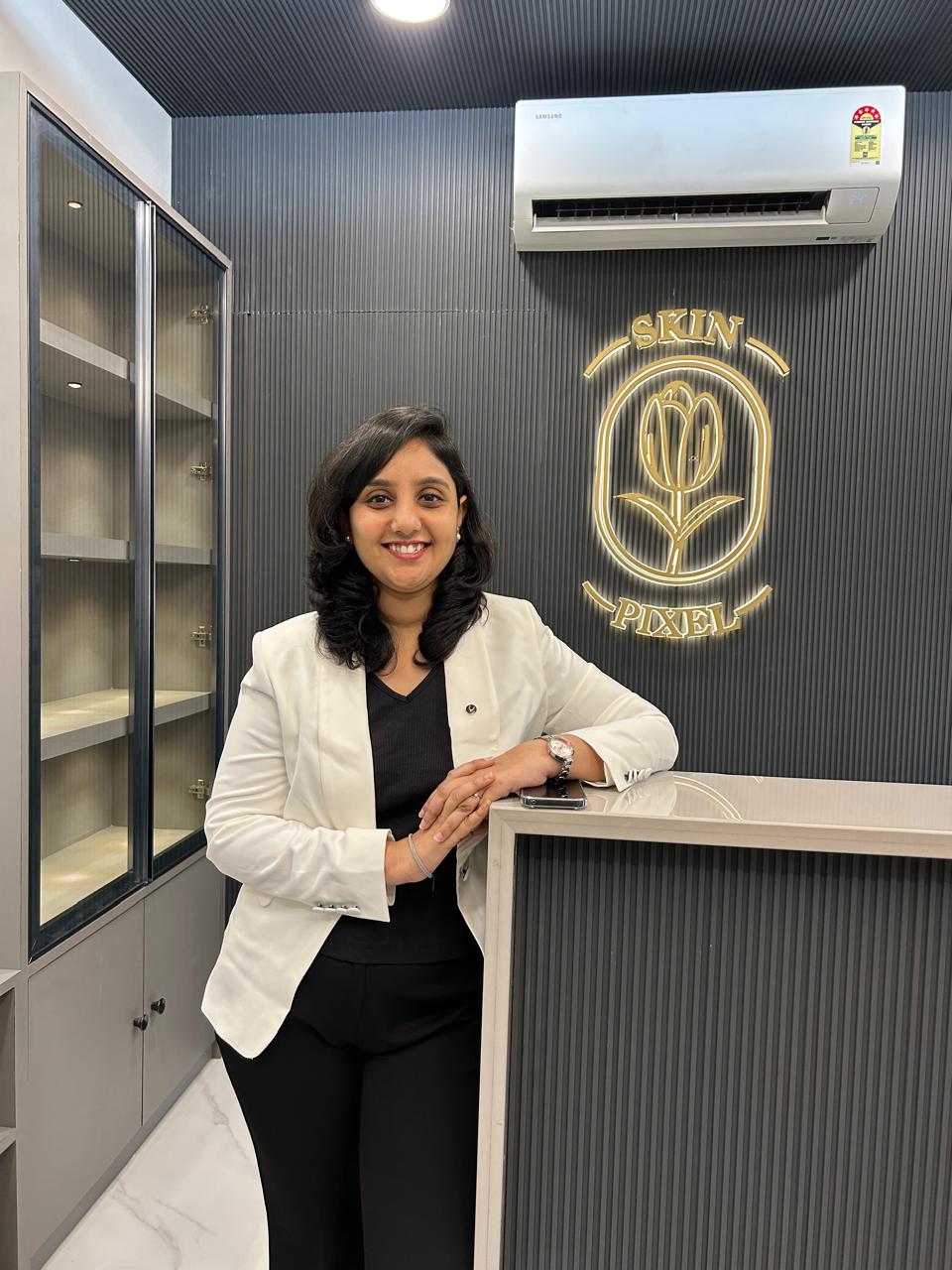
Meet Dr. Ketki Bhoite
Expertise Rooted in Science. Care Built Around You.
Dr. Ketki Bhoite is a Consultant Dermatologist, Dermatopathologist, and Aesthetic Dermatologist with over eight years of experience in diagnosing and treating skin, hair, and nail disorders. Having cared for more than 10,000 patients, she is known for her meticulous approach, evidence-based treatments, and commitment to delivering personalised care for every patient.
Trained at the prestigious Seth G. S. Medical College and KEM Hospital, Mumbai, Dr. Bhoite combines clinical dermatology with specialised expertise in dermatopathology, allowing for accurate diagnosis of complex skin conditions. As an Assistant Professor, researcher, and fellowship-trained aesthetic dermatologist, she brings together academic excellence, advanced diagnostic skills, and modern treatment techniques to provide comprehensive dermatological care.
Why Choose Us?
Accurate Diagnosis
Our strong foundation in dermatopathology enables precise diagnosis and effective treatment planning.
Evidence Based Care
Every treatment is backed by clinical expertise and the latest advancements in dermatology.
Personalized Treatments
No two skin concerns are alike. Every treatment plan is tailored to your individual needs.
Comprehensive Expertise
From medical dermatology to aesthetic medicine, all your skin health needs are addressed under one roof.
Frequently Asked Questions (FAQs)
Are chemical peels safe?
Yes. When performed by a qualified dermatologist like Dr. Ketki Bhoite, chemical peels are safe and customised according to your skin type and concerns. A detailed skin assessment is always done before treatment.
Will my skin peel after treatment?
Not necessarily. Some peels cause visible peeling, while others work beneath the surface with minimal or no visible peeling. The type of peel depends on your treatment goals.
How many sessions will I need?
The number of sessions varies depending on the concern being treated. Many patients benefit from a series of peels spaced a few weeks apart for optimal and long-lasting results.
Is the procedure painful?
Most patients experience only mild tingling or warmth during the procedure. The treatment is generally well tolerated and completed within a short time.
Can chemical peels treat acne scars?
Chemical peels can improve superficial acne scars, post-acne pigmentation, and skin texture. Deeper scars may require a combination of treatments, which Dr. Ketki Bhoite will discuss during your consultation.
Refresh Your Skin with Confidence
Whether you’re looking to improve acne marks, pigmentation, dull skin, or early signs of ageing, Skin Pixel Clinic offers personalised chemical peel treatments designed to reveal healthier, smoother, and naturally radiant skin.
0
Patients Treated
0
Publications
0
Years of Experience
